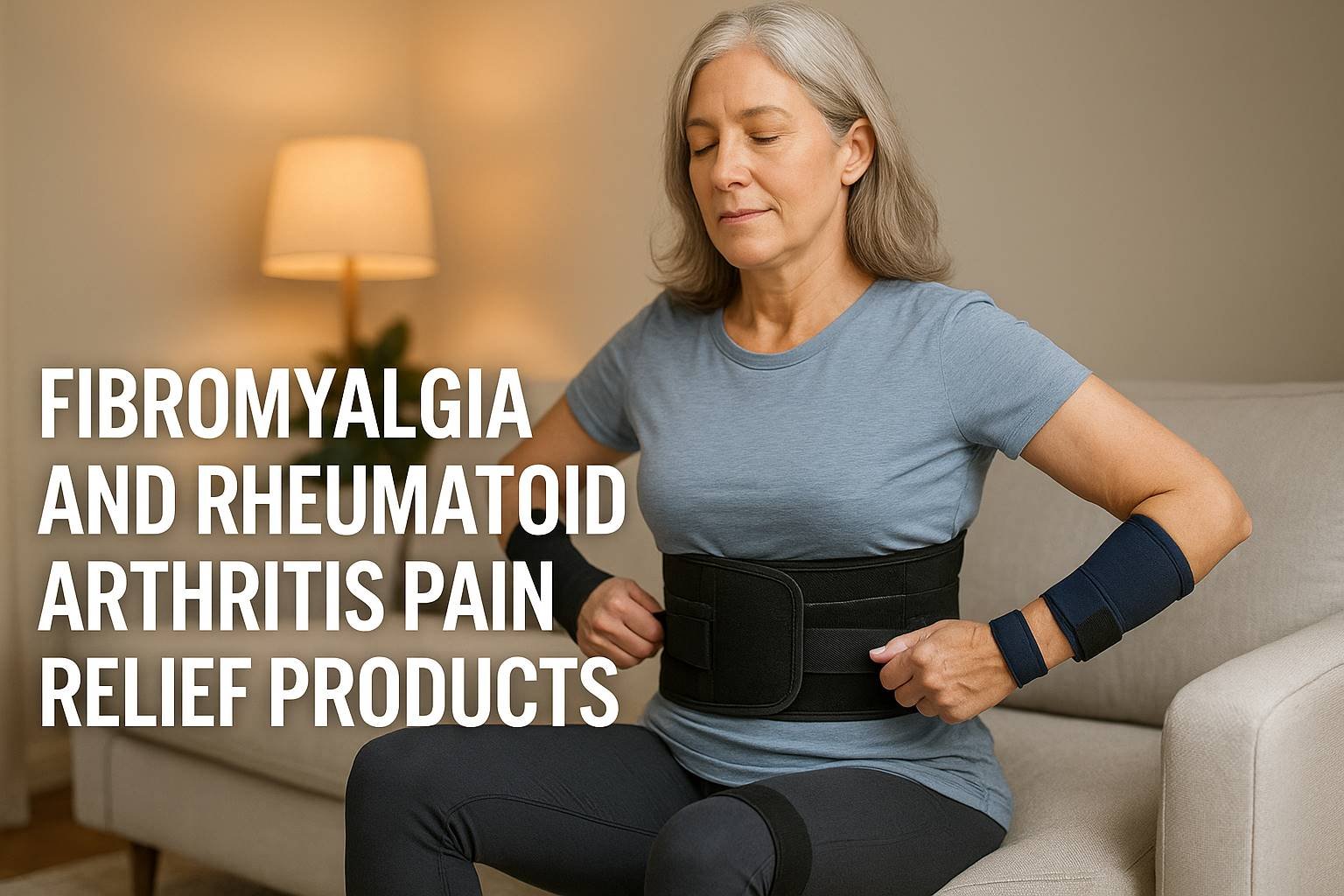
Choosing the right fibromyalgia and rheumatoid arthritis pain relief products can make simple tasks like walking, lifting, and typing more comfortable. Living with fibromyalgia or rheumatoid arthritis (RA) often means waking up already tired, sore, and negotiating every movement. Fibromyalgia can cause widespread pain, fatigue, sleep problems, and emotional distress. RA, on the other hand, is an autoimmune disease that inflames joints and can damage them over time, often requiring long-term medical treatment.
Medication, gentle exercise, and lifestyle changes are the foundation of care, but non-drug tools such as braces, splints, and supports can also play a helpful role. Clinical sources note that orthoses (braces and splints) can reduce joint pain, support alignment, and improve function in people with arthritis and RA.
Fibromyalgia and Rheumatoid Arthritis Pain Relief
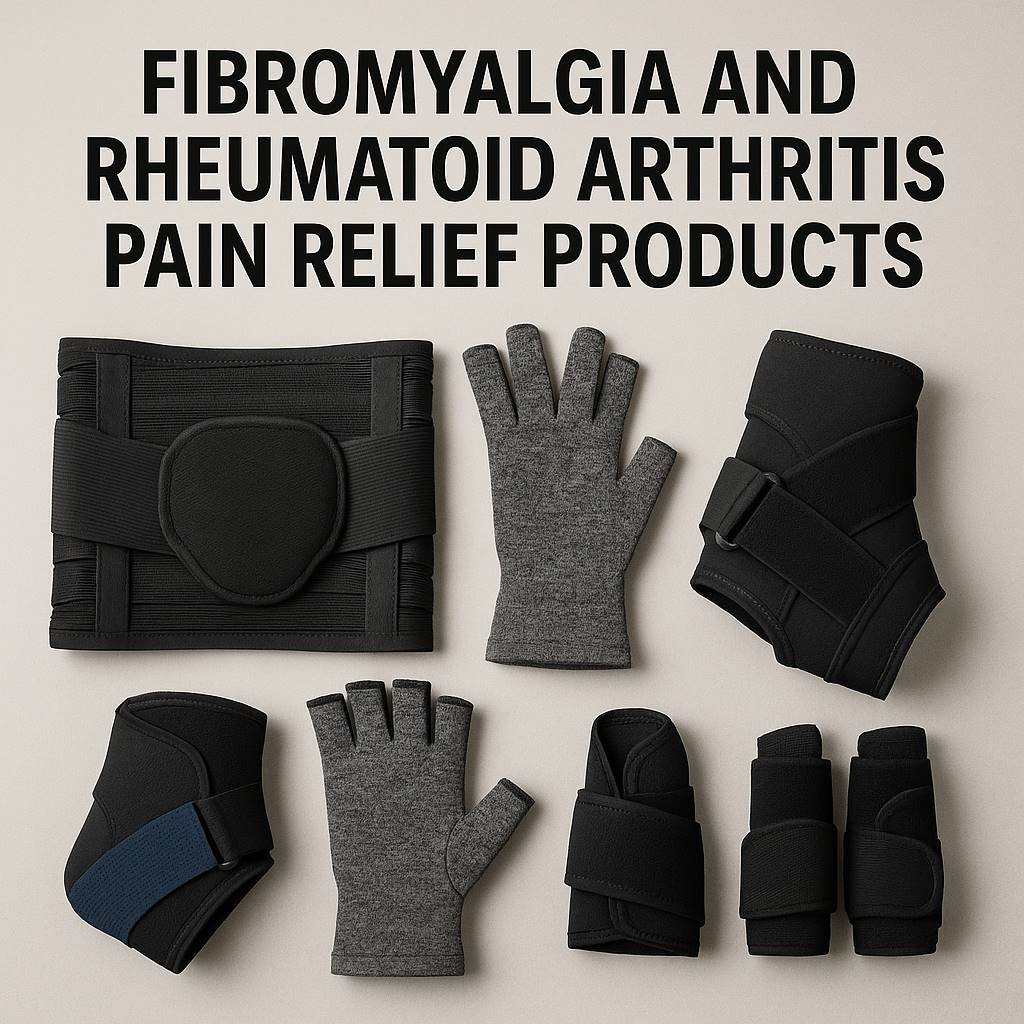
Below, we’ll look at five doctor-developed support products that may be useful for people managing fibromyalgia and rheumatoid arthritis pain, especially when pain is focused in the back, wrists, elbows, or ankles. These products won’t cure your condition, but they can be part of a practical toolkit to help you move with a little more confidence and a little less strain.
Why fibro & RA benefit from joint support
People with fibromyalgia often describe widespread, aching pain along with extreme fatigue and “fibro fog”. RA adds another layer: hot, swollen, inflamed joints that can become damaged if not protected.
Evidence-based guidance for RA shows that non-pharmacological strategies – such as physiotherapy, occupational therapy, and orthotics – can reduce pain and improve function when used alongside medication. Braces and splints help by:
- Giving painful joints a rest during flares
- Improving joint alignment and reducing mechanical stress
- Supporting weak or overused muscles during repeated tasks
For people with fibromyalgia, even light pressure or repetitive movement can trigger flares. A well-fitted support can spread the load, making everyday actions like lifting, gripping, or walking feel a bit safer and less exhausting.
Lower Back Support
For many people with fibromyalgia or RA, lower back pain is a constant companion. A back brace doesn’t replace exercise or core strengthening, but it can offer:
- Targeted lumbar support via a 3D lumbar pad and structured support strips
- Compression to remind you to use safer posture and avoid sudden twisting
- Breathable mesh so you can wear it for parts of the day without overheating
This kind of brace may be especially helpful:
- On days when fatigue is high and your posture collapses quickly
- During short tasks that require bending, lifting, or prolonged standing
- For RA patients whose hips or spine are affected and need extra stability
Shop this product: 👉 Dr. Arthritis Back Brace
Always introduce a back brace gradually and discuss with a physiotherapist if you have spinal issues. But before buying any fibromyalgia and rheumatoid arthritis pain relief products, it’s important to talk to your doctor or physiotherapist.
Fingerless Compression Gloves
Both fibromyalgia and RA can make hands extremely sensitive. RA often affects the small joints of the fingers and hands, causing swelling and stiffness, while fibromyalgia can heighten sensitivity to touch and temperature.
Open-finger compression gloves can:
- Provide mild, even compression that may reduce swelling and support blood flow
- Keep hands warm, which many fibro and RA patients find soothing
- Preserve finger dexterity so you can still type, cook, craft, or use your phone
Because this pack includes four pairs, you can rotate them between day and night use or keep a pair at work and at home. As with any compression product, make sure the fit is snug but not painful, and remove them if you feel numbness or tingling. There is a separate article you may like to read only about Gloves for people with Rheumatoid Arthritis
Shop this product: 👉 Open-Finger Arthritis Compression Gloves
Ankle Brace Support
RA commonly affects feet and ankles, and even in fibromyalgia without obvious joint swelling, many people experience foot pain and balance issues.
An ankle brace can be useful when:
- You’re dealing with recurrent sprains or feeling your ankle wants to “give way”
- Walking, standing in queues, or climbing stairs triggers flare-ups
- You’re trying to gently increase your activity level but don’t want to risk injury
This doctor-developed ankle brace is designed to fit both left and right ankles and can be worn inside many types of shoes. Orthotic-style supports like this are recognised as a cost-effective way to stabilize joints and improve function in arthritis.
Shop this product: 👉 Dr. Arthritis Essentials Ankle Brace
Elbow Compression Sleeve with Strap
If you struggle with grip-related pain – opening jars, lifting kettles, carrying bags – this elbow sleeve is designed for problems like tennis elbow, golfer’s elbow, and general tendinitis. For RA or fibromyalgia, it may help when:
- Repetitive tasks (typing, lifting, crafting) flare your elbow and forearm
- You feel a deep ache around the outer elbow or down into the forearm
- You want support without full immobilization
The built-in strap allows you to focus compression over the most painful spot, while the sleeve gives broader support around the joint. This is a good example of targeted orthotic support used as part of wider RA and chronic pain management, not as a stand-alone “cure”.
Shop this product: 👉 Dr. Arthritis Elbow Compression Sleeve with Strap
Wrist Wraps for Day & Gym Use
High-quality fibromyalgia and rheumatoid arthritis pain relief products focus on support, comfort, and breathable materials for all-day wear. RA commonly affects wrist joints, and many fibromyalgia patients report increased pain when gripping, lifting, or typing for long periods. Wrist splints and resting orthoses are widely used to reduce pain, swelling, and strain in these joints.
These adjustable wrist wraps can be useful when:
- You spend hours at a keyboard and your wrists throb or feel weak
- You want support during light strength training or daily tasks
- Night-time pain wakes you up and you need a gentle, stable position
Because this is a 2-pack, you can support both wrists or alternate depending on which side is flaring. Many clinicians recommend introducing wrist orthoses gradually and combining them with hand exercises prescribed by a therapist, to avoid over-reliance.
Shop this product: 👉 Doctor Developed Wrist Brace, Wrist Wraps
How to choose the right support
When you’re selecting fibromyalgia and rheumatoid arthritis pain relief products like braces and compression sleeves, keep these principles in mind:
- Talk to your healthcare team first. Fibromyalgia and RA are complex. A rheumatologist or physiotherapist can guide you on which joints to support, and when.
- Start low and slow. Wear the brace for short periods initially (for example, 60–90 minutes per day) and increase time only if it feels comfortable.
- Watch for skin or circulation issues. Any brace that causes numbness, extreme redness, or new pain is too tight or not suitable for you.
- Combine with movement, not instead of it. Evidence clearly shows that gentle exercise, stretching, and self-management strategies are essential for both fibromyalgia and RA.
Think of these products as tools – like a good mattress, gentle exercise program, or heat pack. Alone, they won’t erase chronic pain. But used thoughtfully, they can reduce strain on key joints and help you get through your day with a little less struggle.
Affiliate & Medical Disclaimer
This article is informational only and does not provide medical advice, diagnosis, or treatment. Fibromyalgia and rheumatoid arthritis require individualized care, so always consult your doctor, rheumatologist, or physiotherapist before using any new brace, splint, or support product.
Product links in this article are affiliate links. This means the author may earn a small commission if you choose to buy through these links, at no extra cost to you. This helps support the time and research that goes into creating free content for readers living with chronic pain.



Pingback: Holiday Gifts for Rheumatoid Arthritis and Fibromyalgia - Fibromyalgia Women
Pingback: Best Home Pain Relief Products for Fibromyalgia and Arthritis - Fibromyalgia Women
Pingback: Best Back Pain Relief Products for Chronic Illness | 2026 Guide - Fibromyalgia Women